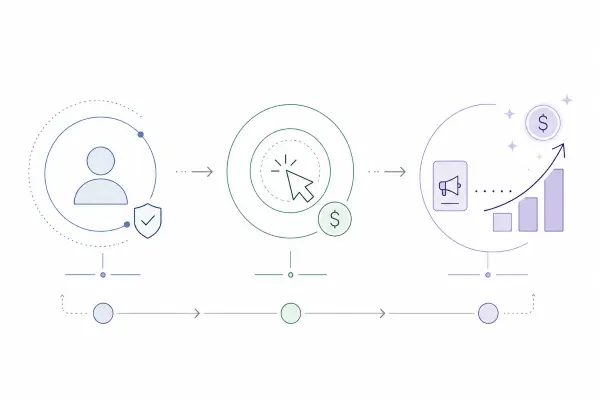
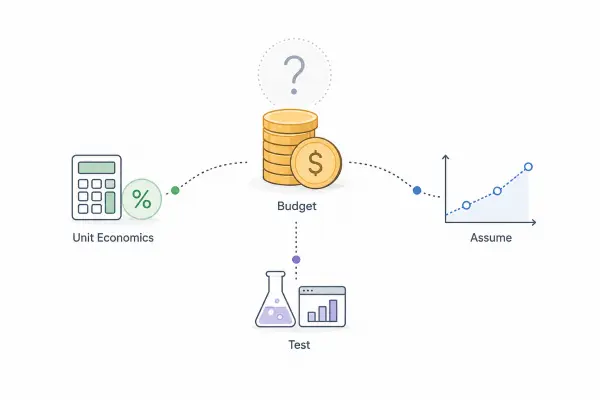
ROAS stands for Return on Ad Spend, and it is one of the most important performance metrics in digital marketing. It shows how much revenue a business earns for every unit of money spent on advertising. Instead of focusing on clicks or impressions, return-on-ad-spend directly connects advertising activity to financial outcomes, which makes it especially valuable for growth-focused businesses.
In digital marketing, where budgets can be adjusted quickly and campaigns run across multiple channels, This metric helps marketers understand whether their advertising efforts are profitable. It shifts the conversation from “Did this ad get traffic?” to “Did this ad make money?”—a much more meaningful question for decision-making. be with me on amin farahani‘s blog.
How ROAS Is Calculated
It is calculated by dividing the revenue generated from advertising by the amount spent on ads. The result is usually expressed as a ratio or number, such as 3, 4, or 5. For example, if a business spends $1,000 on ads and generates $4,000 in revenue, the ROAS is 4.
This simple formula makes Return on Ad Spend easy to understand, but interpreting it correctly requires context. A higher number generally means better performance, but what counts as “good” depends on margins, operating costs, and business goals. Without context, the number alone can be misleading.(I’m telling you this the most important part you should understand).

Why ROAS Matters in Digital Marketing
ROAS matters because it ties advertising directly to revenue. Many marketing metrics measure activity or engagement, but This metric measures impact. This allows businesses to evaluate campaigns based on profitability rather than popularity.
For digital marketers, ROAS supports smarter budget allocation. Campaigns with strong ROAS can be scaled confidently, while low-performing campaigns can be optimized or paused. This data-driven approach reduces waste and improves long-term performance.
Note: If you want to know about what is digital marketing, we wrote a post about it, click on the link.
Return on Ad Spend vs Other Marketing Metrics
Return on Ad Spend is often confused with metrics like cost per click(CPC) or cost per acquisition(CAC). While those metrics focus on efficiency at specific steps, ROAS looks at the full revenue outcome. A campaign may have a low cost per click but still perform poorly if it does not generate enough revenue.
This is why This metric is especially useful in ecommerce and performance-driven campaigns. It provides a clearer picture of overall effectiveness rather than isolated actions.

What Is a Good ROAS?
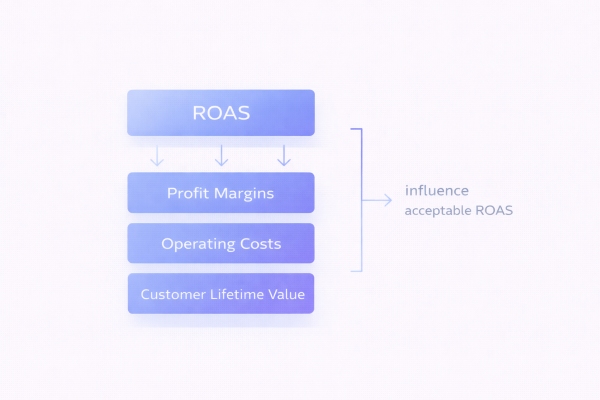
There is no universal “good” ROAS that applies to every business. A Return on Ad Spend that works well for one company may be unsustainable for another. Factors such as profit margins, customer lifetime value, and operational costs all influence what Return is acceptable.
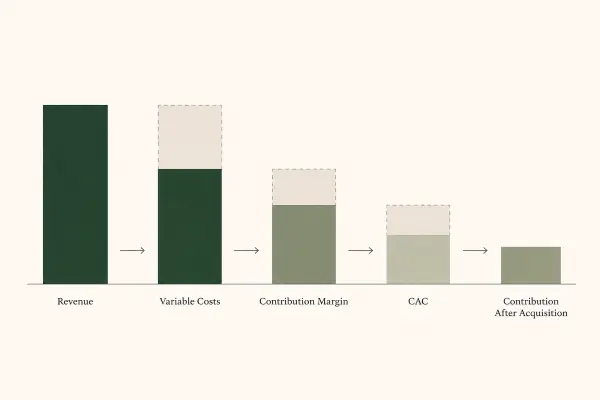
For example, a business with high margins may be profitable with a lower Return, while a low-margin business may require a much higher Return to remain sustainable. Understanding these factors is essential before using ROAS as a success benchmark.
ROAS in Performance Marketing
In performance marketing, ROAS plays a central role because it aligns marketing efforts with business results. Campaigns are evaluated based on revenue impact, not just visibility or engagement. This encourages continuous testing, optimization, and accountability.
Performance-focused teams use this metric to refine targeting, improve messaging, and optimize funnels. Over time, even small improvements in ROAS can lead to significant gains in profitability and scalability.
When ROAS Can Be Misleading
Even though Return on Ad Spend is powerful, it can create false confidence if the underlying data is incomplete. If conversion tracking is inaccurate, or if revenue reporting excludes refunds, discounts, or offline sales, the result may look better or worse than reality. Multi-device behavior can also distort attribution, especially when a customer clicks an ad on mobile but completes the purchase later on desktop.
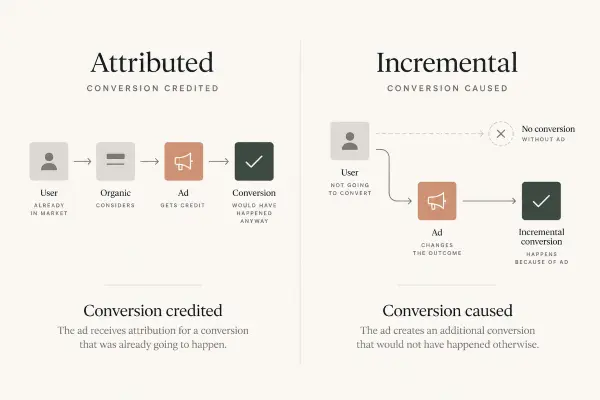
Another common issue is time lag. Some campaigns generate conversions quickly, while others influence decisions over days or weeks. Measuring too early can undervalue campaigns that nurture consideration. Measuring too late can over-credit ads that simply captured demand created by other channels. This is why experienced teams look at trends, cohort behavior, and incrementality—not just one dashboard snapshot.

How to Improve our profit Without “Just Spending Less”
Improving Return on Ad Spend is not only about lowering costs; it is also about increasing the value captured from the traffic you already pay for. One of the most effective levers is conversion rate optimization. Clear messaging, faster load times, stronger trust signals, and better product pages can raise conversion rates without increasing ad spend, improving overall return.
The next lever is targeting and intent alignment. Campaigns improve when keywords, audiences, and creative match user intent. Another lever is offer structure, such as bundles, upsells, and tiered pricing, which can increase average order value. Finally, retention matters. If customer lifetime value increases through email marketing, remarketing, and post-purchase experience, the business can afford a lower return on the first purchase while still being profitable overall.
Common Mistakes When Using Return On Ad Spend
One common mistake is focusing on the metric without considering long-term value. Some campaigns may have lower short-term ROAS but bring in high-value customers who generate repeat revenue. Ignoring this can lead to underinvestment in growth opportunities.
Another mistake is relying on inaccurate tracking. If revenue or conversion data is incomplete, calculations become unreliable. Proper analytics setup is critical to using it effectively.
How ROAS Helps Improve Digital Marketing Strategy
It helps businesses make informed decisions about where to invest and where to optimize. By comparing this metric across channels, campaigns, and audiences, marketers can identify what truly drives revenue. It also supports smarter experimentation because teams can test new ideas with clear success criteria, rather than relying on subjective opinions.
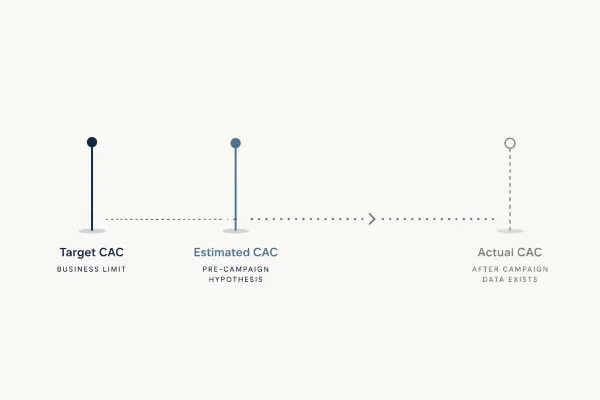
When combined with a clear strategy and accurate data, it becomes more than a metric. It becomes a decision-making tool that guides sustainable growth and smarter digital marketing investments. If you want to improve performance without guesswork, the fastest path is usually a structured performance marketing system: accurate tracking, strong funnel alignment, disciplined testing, and continuous optimization across ads and landing pages.
If you would like help setting that up or improving what you already run, our performance marketing and digital marketing team can audit your current campaigns, define realistic targets based on your margins, and build an optimization plan that improves results in a measurable way.
It’s better to read: How to Calculate Break-Even ROAS Based on Gross Margin?

Final Thoughts
Ultimately, Return on Ad Spend becomes truly powerful when it is managed within a structured performance marketing system rather than treated as a standalone number. Sustainable growth does not come from chasing higher ratios blindly, but from aligning targeting, creative strategy, funnel optimization, and accurate tracking under one clear objective: profitable scale. When ROAS is monitored alongside customer lifetime value, margins, and conversion performance, it transforms from a reporting metric into a growth engine. If your goal is to move beyond surface-level reporting and build campaigns that consistently generate measurable profit, our performance marketing service is designed to help you turn data into scalable revenue with strategy, precision, and accountability.