Affiliate marketing has become one of the most widely used growth models in digital marketing because it aligns marketing effort directly with results. Instead of paying upfront for visibility or exposure, businesses reward partners only when a specific action occurs. This makes it especially attractive for companies that want controlled growth and measurable outcomes.
In digital marketing ecosystems, affiliate marketing operates as a bridge between brands and independent publishers, creators, or businesses. These partners promote products or services through their own channels, while brands focus on strategy, tracking, and optimization. Understanding how this model works is essential for businesses that want scalable and performance-focused growth. In this post I’m going to talk about why you should use affiliate in your sterategy and what is it, be with me on aminfarahani.com.
Why Affiliate Marketing Has Grown So Fast Online
The rapid growth of affiliate marketing is closely tied to changes in online behavior. Consumers increasingly rely on recommendations, reviews, and third-party validation before making decisions. Affiliates naturally fit into this behavior by acting as trusted intermediaries rather than direct advertisers.
At the same time, digital platforms have made tracking and attribution more accurate. Businesses can now measure which partner drives results, making this method a low-risk and data-driven channel compared to traditional advertising models.
Affiliate Marketing as a Performance-Based Model
It is fundamentally performance-based because costs are tied to outcomes rather than exposure. Businesses only pay when a desired action occurs, such as a purchase or lead submission. This structure shifts risk away from the advertiser and encourages efficiency.
For digital marketers, this model creates accountability on both sides. Affiliates are motivated to improve quality and relevance, while brands are motivated to optimize funnels and conversion paths to maximize shared success.
What Is Affiliate Marketing in Digital Marketing?
To fully understand affiliate marketing, it is important to look beyond surface-level definitions. In digital marketing, affiliate marketing represents a structured partnership model that connects promotion, tracking, and revenue.
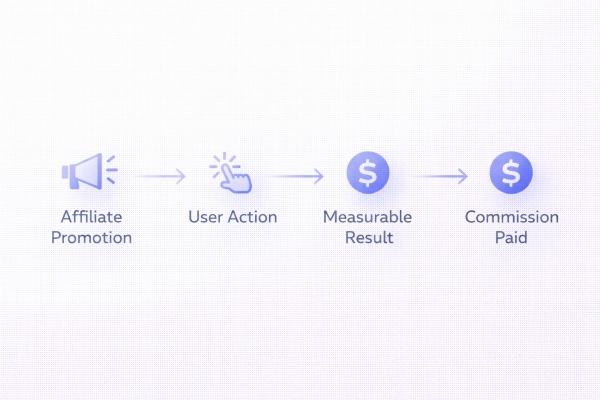
Affiliate marketing in digital marketing is a system where third-party partners promote a business’s products or services and earn a commission when their efforts lead to a specific result. These results are usually measurable actions such as sales, sign-ups, or qualified leads.
For beginners, the key concept is exchange of value. Affiliates provide reach and trust, while businesses provide compensation based on performance rather than promises.
How Affiliate Marketing Actually Works Step by Step
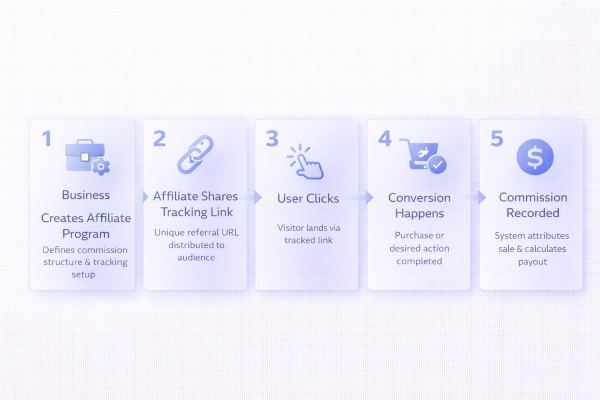
The process begins when a business creates an affiliate program and provides tracking links to partners. Affiliates share these links through content, reviews, social platforms, or email lists. When users click the link and complete a desired action, the system records the transaction.
Behind the scenes, tracking technology attributes the action to the correct affiliate. This allows businesses to calculate commissions accurately and analyze which partners and strategies drive the best results.
Key Parties Involved in Affiliate Marketing
It involves three main parties: the business, the affiliate, and the customer. In many cases, a tracking platform or network also plays a role by managing links, reporting, and payments.
Each party has a clear responsibility. Businesses define offers and strategy, affiliates drive traffic and influence decisions, and customers take action based on perceived value and trust.
How Affiliate Marketing Fits into Digital Marketing
Affiliate marketing does not operate in isolation. It works best when integrated into a broader digital marketing strategy.
Affiliate Marketing vs Other Digital Marketing Channels
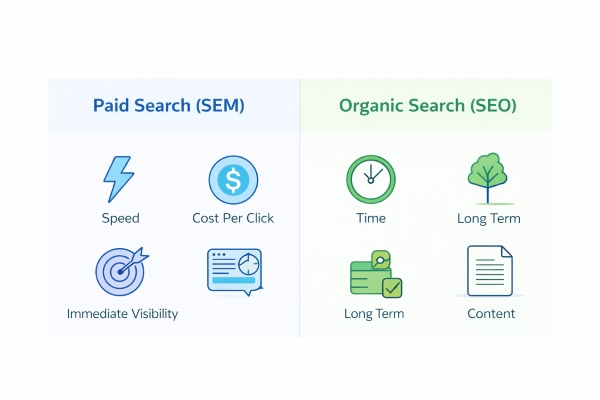
Unlike paid advertising or content marketing, affiliate marketing relies on external partners to distribute messages. This reduces direct control but increases reach and credibility. While other channels require upfront investment, affiliate marketing focuses on outcome-based spending.
This makes it a complementary channel rather than a replacement. When aligned properly, affiliate marketing enhances overall digital performance.
Where Affiliate Marketing Sits in the Digital Funnel
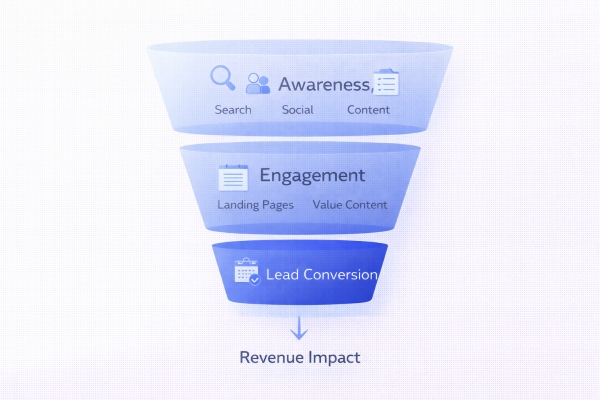
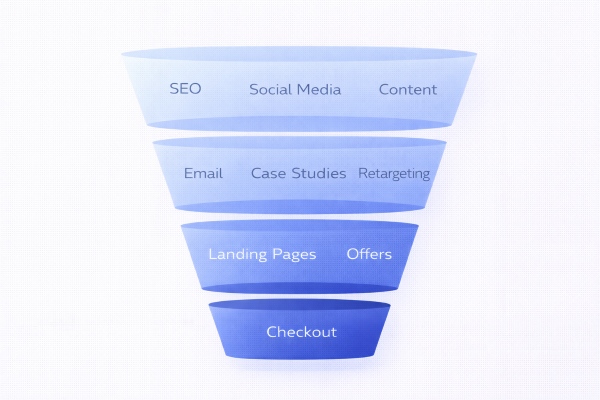
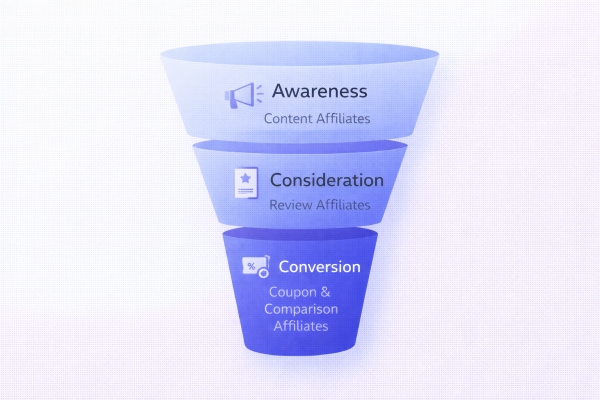
Affiliate marketing can support multiple stages in digital marketing funnel depending on partner type. Content affiliates often contribute to awareness and consideration, while comparison or coupon affiliates support conversion stages.
Understanding this positioning helps businesses align affiliate efforts with funnel strategy rather than treating all partners the same.
How Affiliate Marketing Works in Practice
Practical execution determines whether affiliate marketing succeeds or fails.
The Affiliate Tracking and Attribution Process
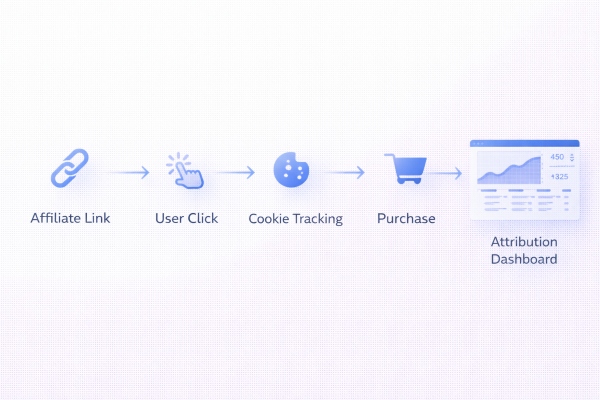
Tracking is the foundation of affiliate marketing. It ensures that actions are attributed to the correct partner. Cookies, unique links, and server-side tracking are commonly used to record user behavior.
Accurate attribution builds trust between businesses and affiliates. Without it, disputes arise and optimization becomes impossible.
Affiliate Links, Cookies, and Conversions Explained Simply
Affiliate links contain identifiers that connect user actions to specific partners. Cookies store this information for a defined period, allowing attribution even if conversion happens later.
Clear understanding of these mechanisms helps businesses design fair commission structures and avoid misinterpretation of performance data.
Commission Models and Payout Structures
Commission models vary depending on business goals. Some focus on sales, others on leads or subscriptions. Payout structures should balance incentive with profitability.
Strategic commission design encourages quality promotion rather than volume alone.
Types of Affiliate Marketing Models
Different affiliate models suit different business needs.
Content-Based Affiliate Marketing
Content affiliates create educational or review-based material that builds trust over time. This model is effective for complex or high-consideration products.
Success depends on content quality and alignment with audience intent.
Influencer and Social Affiliate Marketing
Influencers promote products through personal channels and relationships. This model relies heavily on credibility and audience trust.
Clear guidelines and performance tracking are essential for consistency.
Coupon, Review, and Comparison Affiliates
These affiliates target users close to conversion. They often influence final decisions through incentives or comparisons.
While effective, they require careful management to protect margins and brand value.
B2B vs B2C Affiliate Marketing
B2B affiliate marketing often focuses on leads and longer decision cycles, while B2C emphasizes transactions and volume. Strategies should reflect these differences.
Affiliate Marketing as a Performance Marketing Channel
Affiliate marketing aligns naturally with performance marketing principles.
Why Affiliate Marketing Is Considered Performance-Based
Every cost is tied to a measurable result. This allows businesses to scale confidently and optimize based on real outcomes rather than assumptions.
Performance-based structures encourage long-term partnerships built on mutual success.
Key Metrics Used in this sterategy
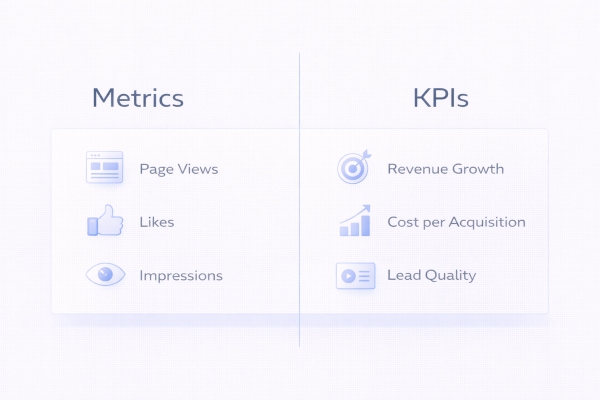
Metrics such as conversion rate, commission cost, and partner contribution provide insight into effectiveness. These metrics guide optimization and partner management.
Focusing on meaningful metrics prevents misleading conclusions.
ROI, Cost Control, and Scalability
It supports scalability without proportional cost increases. As performance improves, investment grows naturally with returns.
This balance makes it attractive for growth-focused businesses.
Benefits of It for Businesses
When managed strategically, affiliate marketing offers multiple advantages:
Low Risk and Pay-for-Result Advantage
Businesses avoid upfront spending and reduce financial risk. Payments occur only after value is delivered.
This structure improves budget efficiency.
Expanding Reach Through Trusted Partners
Affiliates introduce brands to new audiences through established trust. This often leads to higher-quality engagement.
Partnerships amplify reach without direct advertising pressure.
Scalability Without Increasing Fixed Costs
You should know this method grows through partnerships rather than internal expansion. This makes scaling more flexible and sustainable.
Challenges and Risks in This sterategy
Despite its advantages, this sterategy carries risks.
Quality Control and Brand Protection
Not all affiliates represent brands appropriately. Clear guidelines and monitoring protect brand integrity.
Active management is essential.
Fraud, Low-Quality Traffic, and Compliance Issues
Fraudulent activity and low-quality traffic can undermine results. Strong tracking and partner vetting reduce these risks.
Compliance ensures long-term stability.
Managing and Optimizing Affiliate Partners
Affiliate programs require ongoing communication and optimization. Neglect leads to stagnation and inefficiency.
Final Thoughts – Is is Right for Your Business?
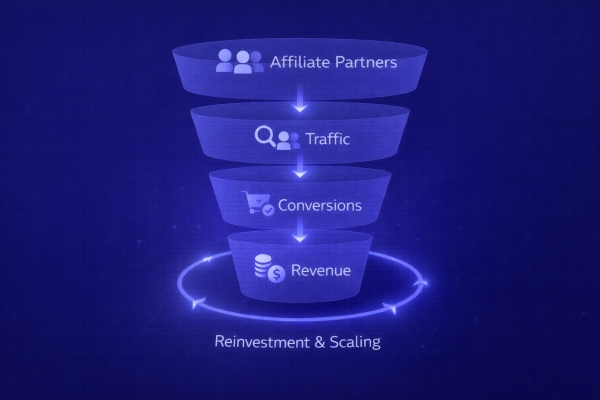
It is a powerful digital marketing model when approached strategically. By focusing on performance, quality, and integration, businesses can build scalable systems that support long-term growth. When combined with expert guidance and data-driven execution, affiliate marketing becomes more than a channel—it becomes a sustainable growth engine. If you want to sale more in digital world you can fill a form on my performance marketing services page.