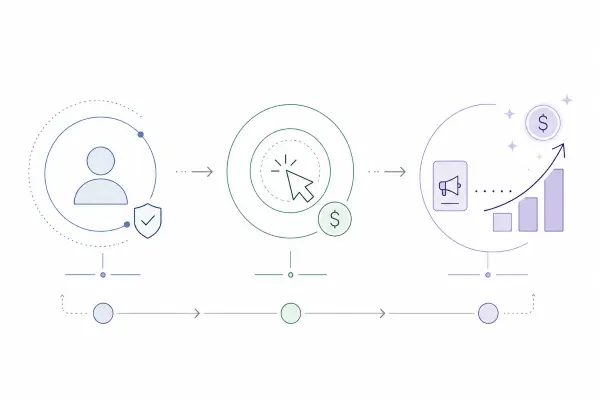
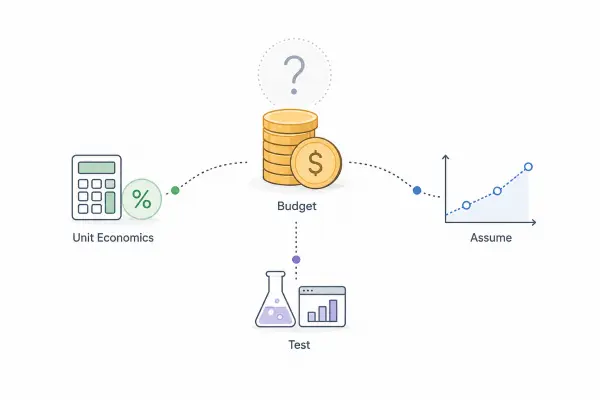
Lead generation sits at the center of almost every successful online business model. No matter how strong a product or service may be, growth becomes difficult if there is no consistent system for attracting potential customers and turning them into real opportunities. In digital environments, this process is no longer based on chance or visibility alone but on structured strategies that connect audience needs with measurable actions.
In my digital marketing services, lead generation refers to building predictable pathways that guide people from initial awareness to meaningful engagement. Instead of waiting for customers to find a business on their own, companies actively design systems that attract interest, capture contact information, and nurture relationships over time. Understanding this concept is essential for anyone who wants to grow sustainably online. be with this amin farahani‘s blog, I’m going to explain more about this important metric in business.
Why Lead Generation Is the Backbone of Online Business Growth?
Without it, marketing efforts often become disconnected from business outcomes. Traffic, impressions, and engagement may increase, but revenue remains unpredictable. Lead generation bridges this gap by turning attention into identifiable prospects who can be followed up with, analyzed, and converted.
For digital-first businesses, leads are the starting point of growth forecasting. When a business knows how many leads it generates and how many convert into customers, planning becomes more accurate. This predictability is why lead generation is not just a marketing tactic but a core business system.
How Digital Marketing Changed the Way Businesses Generate Leads?
Traditional form of it relied heavily on offline methods such as events, cold calls, or print advertising. These methods were difficult to track and optimize. Digital marketing transformed this process by introducing data, automation, and intent-based targeting.
Today, businesses can see exactly where leads come from, what actions they take, and which messages influence them. This shift allows for continuous improvement and makes lead generation more efficient, scalable, and aligned with real customer behavior.
What Is Lead Generation in Digital Marketing?
To understand lead generation properly, it is important to move beyond surface-level definitions. In digital marketing, generating lead is not just about collecting email addresses or form submissions. It is about identifying potential customers who show genuine interest and guiding them toward a buying decision.
Lead generation in digital marketing is the process of attracting people online and encouraging them to share their contact information in exchange for value. This value may be information, access, tools, or solutions to a specific problem. The goal is to start a relationship rather than make an immediate sale.
I’d talked about what digital marketing is and what is not, you can find it in my post
For beginners, the key idea is that a lead represents permission. When someone becomes a lead, they allow a business to continue the conversation in a more direct and personalized way.
What a “Lead” Really Means ?
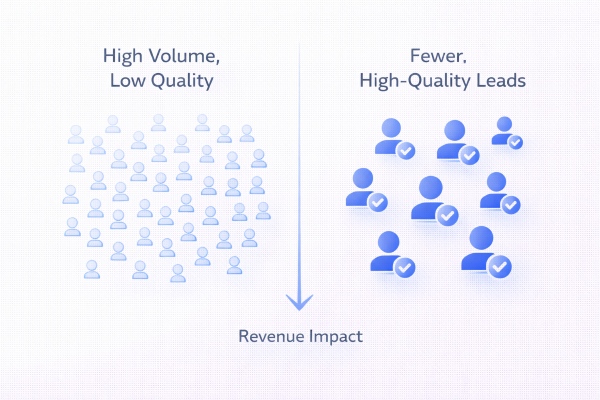
Not all leads are equal, and this is where many misunderstandings begin. A lead is not just anyone who fills out a form. A true lead is someone who fits the target audience and has demonstrated intent or interest that aligns with what the business offers.
Understanding lead quality helps businesses avoid focusing on volume alone. High-quality leads are more likely to convert, cost less over time, and create better long-term results.
Lead Generation vs Sales – Understanding the Difference?
They are closely related but serve different purposes. Lead generation focuses on attracting and qualifying interest, while sales focuses on closing deals and generating revenue. Confusing these roles often leads to unrealistic expectations from marketing efforts.
When these functions are clearly defined, marketing teams can focus on creating demand and nurturing leads, while sales teams focus on conversion and relationship management. This alignment improves efficiency across the entire organization.
Why It Matters More Than Ever?
As digital competition increases, attention becomes harder to capture and retain. Lead generation provides a structured way to stand out by offering value and relevance rather than relying on interruption-based tactics.
The Role of Lead Generation in Business Growth
Lead generation supports growth by creating a steady pipeline of potential customers. Instead of relying on unpredictable referrals or seasonal demand, businesses can generate opportunities consistently through digital channels.
This consistency allows businesses to test new offers, expand into new markets, and scale operations with confidence. Without lead generation, growth often becomes reactive rather than strategic.
Lead Generation in B2B vs B2C Businesses
While the core concept remains the same, lead generation works differently in business-to-business and business-to-consumer environments. B2B leads often require longer nurturing cycles, more education, and multiple decision-makers.
B2C lead generation tends to focus on speed, emotional triggers, and convenience. Understanding these differences ensures that strategies are tailored correctly rather than applied generically.
The Digital Lead Generation Funnel Explained
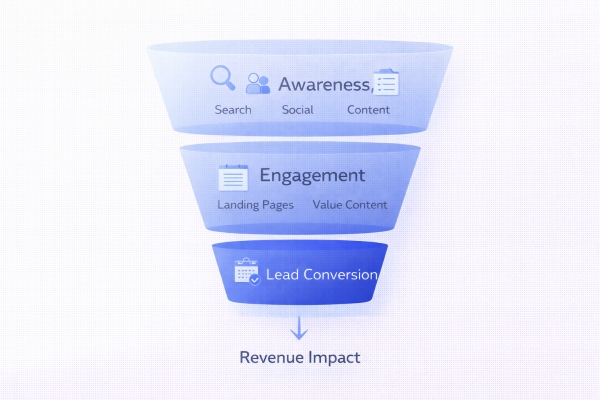
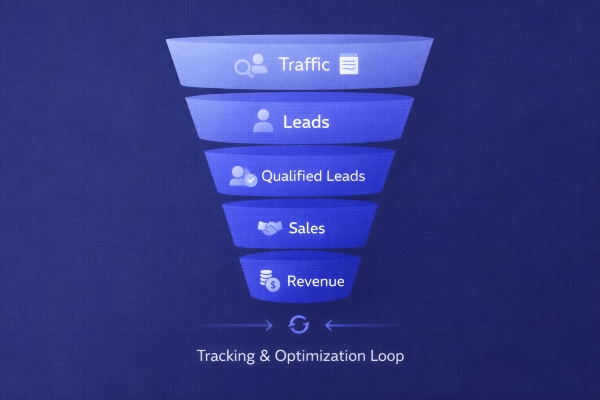
The lead generation funnel(we had different digital marketing funnels remmember?) represents the journey from awareness to conversion. At the top, users discover a brand through content or advertising. As they move down, they engage more deeply and eventually take an action that qualifies them as a lead.
This funnel helps marketers design experiences that match user intent at each stage. Skipping steps often leads to low-quality leads or poor conversion rates.
Awareness, Interest, and Conversion Stages
At the awareness stage, the goal is visibility and relevance. During the interest stage, users evaluate whether the brand can solve their problem. The conversion stage focuses on removing obstacles and encouraging action.
Each stage requires different messaging, formats, and channels. Treating all users the same regardless of stage is one of the most common mistakes in lead generation.
From Traffic to Leads – What Happens in Between
Traffic alone does not create leads. The transition from visitor to lead depends on clarity, trust, and value exchange. Elements such as landing pages, messaging, and user experience determine whether users take the next step. Understanding this middle layer allows businesses to improve conversion rates without increasing traffic, which often leads to more efficient growth.
Types of Leads in Digital Marketing
Different types of leads require different approaches. Recognizing these distinctions helps businesses prioritize efforts and allocate resources effectively.
Marketing Qualified Leads
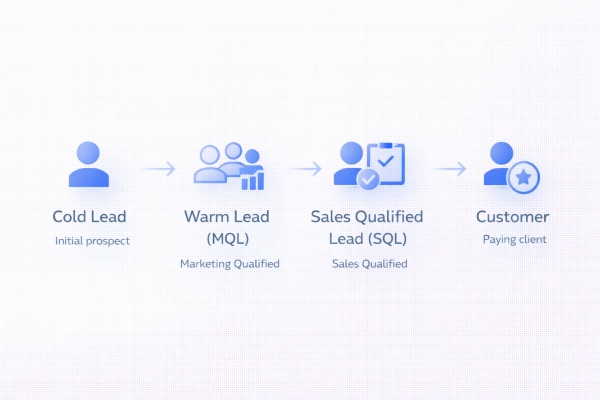
Marketing qualified leads are prospects who have shown interest through specific actions such as downloading content or signing up for updates. They are engaged but may not yet be ready to buy. These leads benefit from nurturing and education rather than direct sales pressure.
Sales Qualified Leads
Sales qualified leads show stronger intent, such as requesting a demo or consultation. They are closer to a buying decision and often require direct follow-up from sales teams. Clear criteria for this stage help avoid misalignment between marketing and sales.
Cold, Warm, and Hot Leads Explained
Cold leads have limited awareness, warm leads have shown interest, and hot leads are ready to act. Treating all leads the same reduces effectiveness and increases costs. Segmenting leads based on readiness allows for more relevant communication and better results.
Digital Marketing Channels Used for Lead Generation
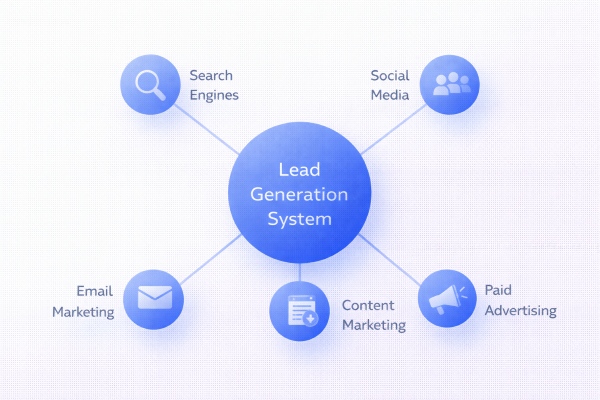
Digital marketing offers multiple channels for generating leads, each with unique strengths and limitations.
Search Engines and Intent-Based Leads
Search engines(you should know what is search engine optimistaion, I’d talked about it) capture users actively looking for solutions. These leads often have high intent and strong conversion potential. However, competition can be intense, making strategy and optimization essential.
Social Media and Paid Social Advertising
Social platforms allow precise targeting based on interests and behaviors. They are effective for building awareness and introducing offers to new audiences. Success depends on creative quality and audience understanding rather than reach alone.
Content Marketing and Educational Leads
Content builds trust by educating users before asking for information. Guides, articles, and resources attract leads who value expertise and insight. This approach supports long-term growth but requires consistency and quality.
Email Marketing and Lead Nurturing
Email allows ongoing communication with leads after initial capture. It plays a key role in nurturing and moving leads closer to conversion. Effective email marketing strategies focus on relevance and timing rather than frequency.
Lead Generation Methods and Tactics
Methods and tactics turn strategy into action. Choosing the right combination improves efficiency and lead quality.
Landing Pages and Conversion Optimization
Landing pages are designed to guide users toward a single action. Clear messaging, strong value propositions, and simple design increase conversion rates. Optimization is an ongoing process based on user behavior and data.
Forms, CTAs, and User Experience
Forms and calls to action should balance information needs with user convenience. Asking for too much too early reduces conversions. User experience directly impacts trust and willingness to engage.
Lead Magnets and Value Exchange
Lead magnets provide something valuable in exchange for contact information. Their effectiveness depends on relevance and perceived usefulness. Strong lead magnets solve real problems rather than offering generic content.
Lead Generation in Performance Marketing
Performance marketing brings accountability and measurement into lead generation.
Why Number of leads Is a Performance Metric
Leads can be measured, compared, and optimized over time. This makes them a practical metric for evaluating marketing effectiveness. Performance-focused strategies prioritize outcomes rather than activity.
Cost Per Lead and ROI Explained Simply
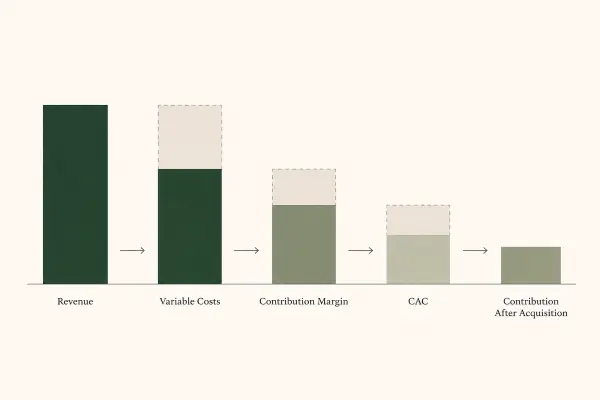
Cost per lead measures efficiency, while return on investment measures impact. Together, they provide a clear picture of performance. Understanding these metrics helps businesses scale responsibly.
Data, Tracking, and Attribution in Lead Generation
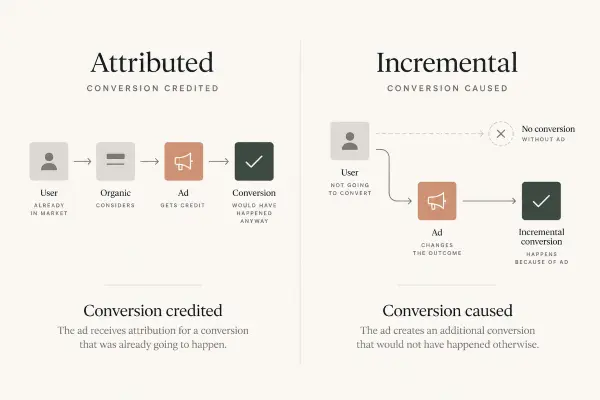
Tracking shows which channels and messages drive results. Attribution connects actions to outcomes, reducing guesswork. Without proper tracking, optimization becomes impossible. But remmember generating more leads does not always mean better results.
Final Thoughts – Is Lead Generation the Right Focus for Your Business?
Lead generation is one of the most powerful systems in digital marketing when approached strategically. By focusing on intent, value, and performance, businesses can build predictable growth engines rather than relying on chance. For companies ready to scale, combining expertise, data, and execution through a professional digital or performance marketing partner can make lead generation a true competitive advantage. If you want to generate more high quality leads for your business you can fill a form on my performance marketing service page.