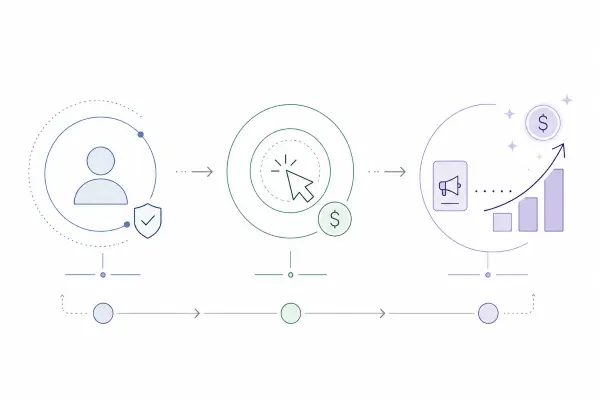
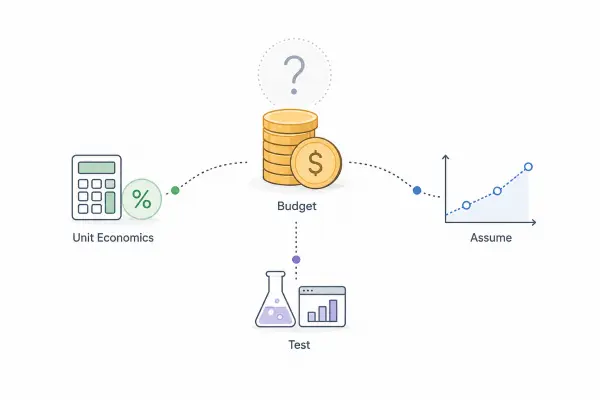
Email marketing remains one of the most reliable and controllable channels in digital marketing, even as new platforms and technologies continue to emerge. While social media algorithms change and advertising costs fluctuate, email provides a direct line of communication between a business and its audience. This direct access allows brands to build relationships without relying entirely on third-party platforms.
In Internet marketing, email marketing is not about sending random messages or promotions. It is about delivering relevant, timely, and valuable communication to people who have already shown interest. When used strategically, It supports long-term growth by nurturing leads, retaining customers, and increasing lifetime value.
If you don’t know about internet marketing, please read our ‘What is digital marketing‘ post
Why Email Marketing Still Works in the Digital Age?
Email marketing works because it aligns with how people prefer to receive important information. Unlike social feeds that move quickly, emails stay accessible until the user chooses to engage. This gives brands multiple opportunities to be seen and considered.
More importantly, sending Email is permission-based. When someone subscribes, they signal trust and interest. This consent-based relationship creates a stronger foundation for communication compared to interruption-driven channels.
What Is Email Marketing in Digital Marketing?
To understand it properly, it is important to separate its strategic purpose from the tools used to execute it. It is not defined by software but by intent and structure.
Email marketing in digital marketing is the process of communicating with an audience through email to educate, build trust, and encourage specific actions. These actions may include visiting a website, requesting information, or making a purchase.
For beginners, the key idea is continuity. It allows businesses to stay connected with people over time rather than relying on one-time interactions. This ongoing relationship is what makes the channel so effective.
Email marketing is not mass emailing or spam. Sending the same message to everyone without relevance or permission often leads to low engagement and damaged trust. This misconception causes many businesses to dismiss email marketing prematurely.
It is also not a standalone tactic. It works best when integrated with other marketing efforts such as content, paid campaigns, and lead generation systems.
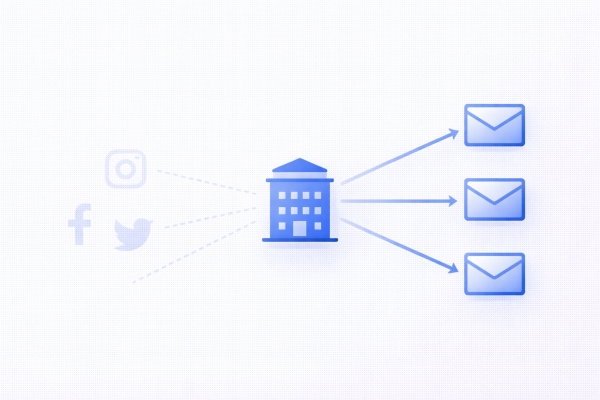
How Email Marketing Works
It follows a simple structure, but its effectiveness depends on how well each part is handled. Understanding the essentials helps avoid unnecessary complexity.
Email Lists, Permission, and Trust
An email list is a collection of people who have agreed to receive communication from a business. Permission is the foundation of email marketing because it establishes trust and sets expectations. Without trust, even well-written emails fail to perform.
Building a quality list takes time, but it results in higher engagement and better outcomes. Businesses that prioritize relevance over volume tend to see stronger long-term results.
Types of Emails Used in Digital Marketing
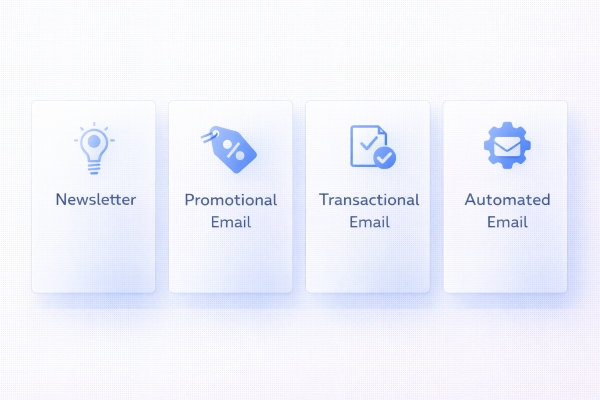
There are several common types of emails used in digital marketing. Newsletters share updates and educational content, promotional emails focus on offers, and transactional emails support actions such as confirmations or updates. Automated emails respond to specific behaviors or time-based triggers.
Each type serves a different purpose, and using them strategically ensures that communication feels helpful rather than intrusive.
How it works in the Digital Marketing Funnel?
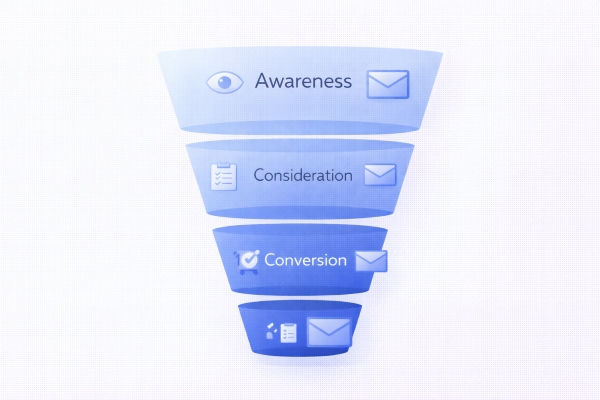
Email marketing plays a unique role across different stages of the digital marketing funnel. Its flexibility allows it to support both early engagement and final decision-making.
At the top of the funnel, email helps educate and introduce value through content and insights. In the middle stage, it nurtures interest by addressing concerns, providing proof, and building credibility. At the bottom stage, email supports conversion through clarity, reassurance, and timely prompts.
This stage-based approach ensures that emails match user intent rather than pushing premature sales messages.
Why Email Is Critical for Lead Nurturing
Most leads are not ready to take action immediately. Email marketing allows businesses to stay connected during this decision period without being aggressive. Through consistent and relevant communication, trust grows naturally.
Effective lead nurturing reduces friction and increases conversion rates by the time users are ready to act.
Email Marketing in Performance Marketing
Email marketing fits naturally into performance marketing because its results are measurable and optimizable. Every interaction can be tracked and analyzed.
It allows businesses to measure engagement, conversions, and revenue directly. This transparency makes it easier to understand what messages resonate and which strategies drive results. Because of this measurability, email marketing supports continuous improvement rather than static execution.
Metrics That Actually Matter
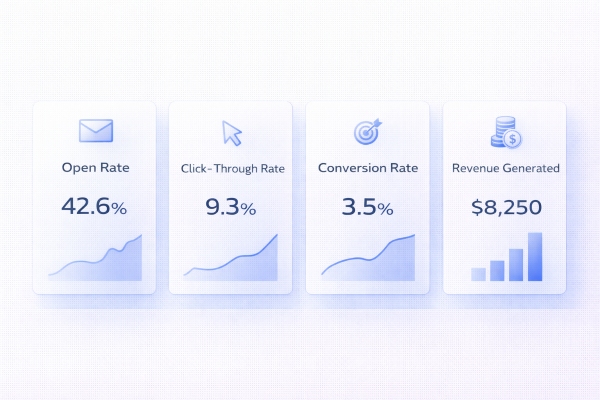
Key email marketing metrics include open rates, click-through rates, conversion rates, and revenue contribution. These metrics provide insight into both engagement and impact. Focusing on meaningful metrics prevents overemphasis on vanity numbers and keeps efforts aligned with business goals.
Benefits of Email Marketing for Businesses
Email marketing offers advantages that many other channels cannot replicate. These benefits become more apparent over time.
Relationship Building and Long-Term Value
It supports long-term relationships rather than one-time transactions. Regular, valuable communication keeps brands relevant and trusted. This relationship-building increases lifetime value and encourages repeat engagement.
Cost Efficiency and Scalability
Compared to many digital channels, this channel is cost-efficient. Once systems are in place, scaling communication does not require proportional budget increases. This efficiency makes it accessible to businesses of all sizes.
Owning Your Audience
An email list is an owned asset. Unlike followers on external platforms, subscribers remain accessible regardless of algorithm changes or platform policies. This ownership provides stability and independence within a digital marketing strategy.
Common Email Marketing Mistakes
Many businesses underperform with email marketing due to avoidable mistakes. These issues often stem from a lack of strategy.
Sending Emails Without Strategy
Sending emails without a clear purpose leads to inconsistent messaging and low engagement. Every email should support a specific goal within the broader marketing strategy.
Planning ensures relevance and consistency.
Poor Segmentation and Irrelevant Content
Treating all subscribers the same ignores differences in interest and readiness. Irrelevant content reduces engagement and increases unsubscribes.
Segmentation allows for more personalized and effective communication.
Ignoring Data and Optimization
Email marketing performance improves through testing and analysis. Ignoring data results in repeated mistakes and missed opportunities.
Optimization turns email marketing into a learning system rather than a static task.
How Digital Marketing Makes Email More Effective?
Digital marketing tools and data enhance the impact of email marketing when used thoughtfully. Data from user behavior helps tailor messages to individual needs. Personalization increases relevance and engagement without requiring excessive effort.
This approach strengthens trust and performance simultaneously.
Automation and Behavioral Emails
Automation allows emails to respond to actions such as sign-ups or visits. Behavioral emails feel timely and helpful rather than generic.
When designed correctly, automation improves consistency and scalability.
Final Thoughts
Email marketing remains one of the most valuable channels in digital marketing when used strategically. Its ability to build relationships, support performance goals, and provide measurable results makes it a powerful growth asset. For businesses willing to invest in strategy, relevance, and optimization, email marketing offers long-term value that few other channels can match.