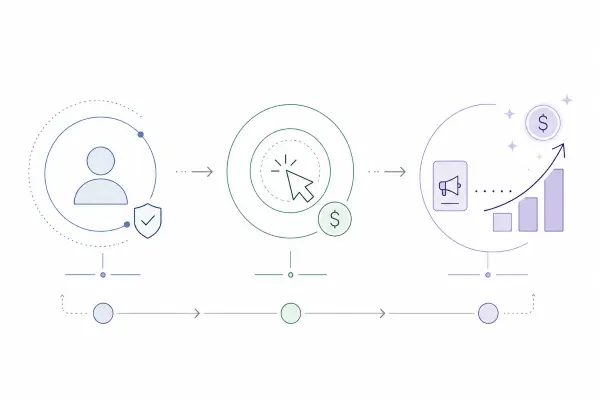
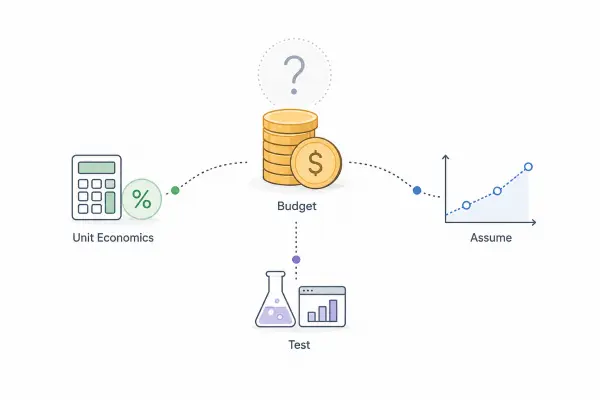
Today, most buying decisions begin with an online search. Whether someone is looking for a service, comparing providers, or trying to solve a problem, search engines are usually the first stop. This reality has transformed how businesses compete for attention. Simply having a website is no longer enough; visibility at the right moment is what truly matters.
Paid visibility on search engines allows businesses to appear exactly when potential customers are actively looking for solutions, which is called SEM or Search Engine Marketing. For beginners, this concept may sound complex, but at its heart, it is about meeting demand with relevance and timing. When done correctly, it becomes one of the most efficient ways to attract high-intent users and turn interest into measurable results.
What Is SEM(Search Engine Marketing)?
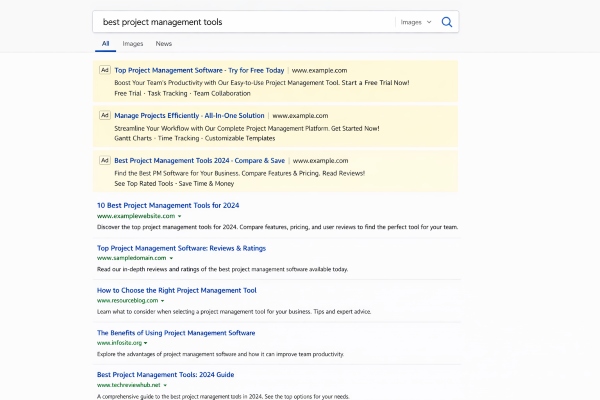
At its core, this approach refers to paid methods that help websites appear prominently on search engine results pages(a.k.a SERP). Instead of relying solely on organic rankings, businesses invest in ads that place them in front of users who are actively searching for related topics.
For someone new to digital marketing, it can be helpful to think of this method as paying for visibility rather than waiting for it. When users click on these ads, the advertiser pays a fee, which is why the focus is always on relevance and results rather than impressions alone. Also this way of payment in digital marketing world call Pay-Per-Click(PPC), we talked about it in other artickel called ‘What is PPC in digital marketing‘ before.
Why Search Engine Marketing Matters in Today’s Digital Marketing Landscape?
Digital competition has increased dramatically across almost every industry. Organic growth methods are valuable, but they often take time and consistent effort before showing results. Paid search fills this gap by providing immediate exposure, allowing businesses to test offers, messages, and audiences without long waiting periods( by Organic terrafic I mean SEO, and if you don’t know about it read my ‘what is search engine optimization‘ blog)
More importantly, this approach offers transparency. Businesses can clearly see how much they spend, what they gain, and where improvements are needed. This level of control and measurability makes it a critical part of modern digital strategies, especially for companies focused on performance and return on investment.
Who Should Use this sterategy and When It Makes Sense
This channel is particularly effective for businesses that need quick visibility or operate in competitive markets. Startups, service providers, ecommerce brands, and companies launching new products can all benefit from its speed and flexibility. It is also useful when seasonal demand, promotions, or limited-time offers are involved.
That said, it is not limited to large budgets. With the right strategy, even small businesses can compete effectively by focusing on intent, relevance, and optimization rather than sheer spend.
How It Works Behind the Scenes
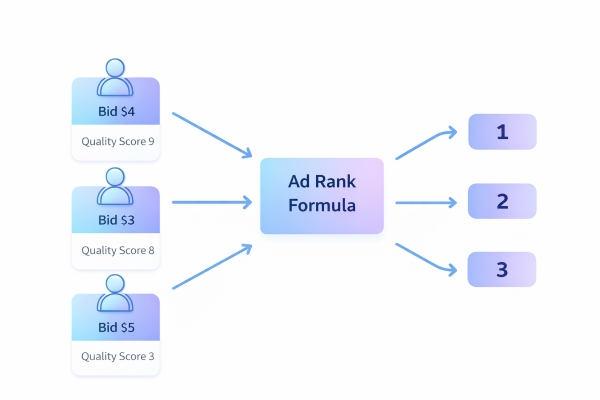
Every search triggers an automated process that evaluates many factors within milliseconds. Search platforms analyze how relevant an ad is to the user’s query, how useful the landing page appears, and how much the advertiser is willing to pay. The goal is to show ads that best match user intent while maintaining a good experience.
This system rewards quality as much as budget. Ads that align well with user needs often perform better and cost less over time, which is why strategy and optimization are critical in digital marketing remmeber this rule, you must put users needs first.
Paid Visibility vs Organic Visibility
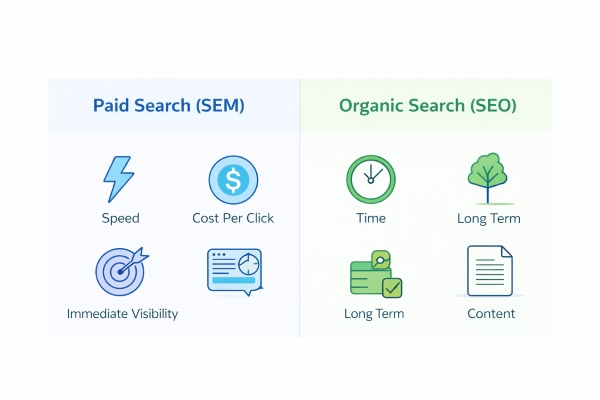
Organic methods rely on content quality, authority, and time to build rankings. Paid visibility, on the other hand, offers immediate placement. While organic growth is valuable for long-term stability, paid efforts are ideal for quick testing, faster results, and gaining insights that can inform broader marketing decisions.
Key Components of SEM
To understand how this channel works, it helps to break it down into its main elements. Each component plays a role in overall performance and efficiency.
Paid Search Advertising Explained
Paid search ads are triggered by specific terms that users type into search engines. When there is a match, the ad may appear in a prominent position. These ads are designed to answer the user’s need quickly and clearly, encouraging them to click and learn more.
Keywords and Search Intent
Not all searches indicate the same level of readiness. Some users are researching, while others are ready to take action. Choosing the right keywords and aligning them with user intent ensures that ads reach people who are most likely to convert, not just those who are browsing.
Ad Auctions and Ranking
Each time an ad opportunity appears, an auction determines which ads show and in what order. This process considers relevance, quality, and expected performance, not just bid amounts. As a result, well-structured campaigns often outperform higher-spending competitors.
Landing Pages and Their Role
Driving traffic is only half the job. The page users land on must clearly communicate value, build trust, and guide them toward action. A strong landing page can dramatically improve results, while a weak one can undermine even the best ad strategy.
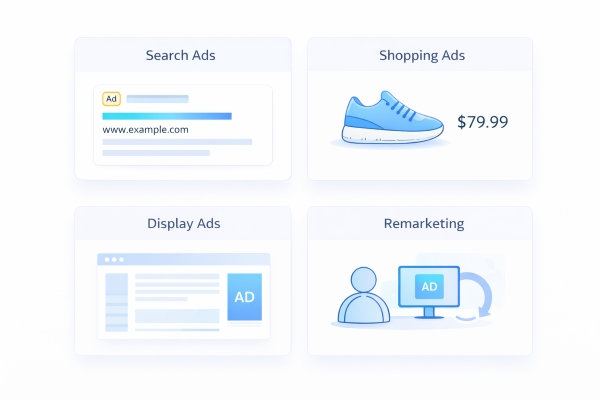
Types of SEM Campaigns
Different goals require different campaign formats. Understanding these options helps businesses choose the right approach for their objectives.
Search Ads
Text-based search ads appear when users actively look for specific information or services. Because they target high-intent searches, they often deliver strong conversion rates and are a popular starting point for beginners.
Shopping Ads
Shopping-focused ads showcase products visually, including price and brand details. These are especially effective for ecommerce businesses, as they allow users to compare options quickly and make informed decisions.
Display Ads vs Search Ads
Display ads focus on visibility and awareness across websites, while search ads focus on intent-driven actions. Both have value, but they serve different purposes within a broader strategy.
Remarketing and Retargeting
Many users do not convert on their first visit. Retargeting allows businesses to reconnect with these users, reinforcing their message and increasing the likelihood of conversion over time.
SEM vs SEO – What’s the Difference?
These two approaches are often compared, but they serve different roles within digital marketing (if you don’t know about internet marketing you go on ‘what is digital marketing‘ post).
Cost, Speed, and Long-Term Value
Paid methods offer immediate results but require ongoing investment. Organic strategies take longer to develop but can provide sustainable traffic without direct costs per click. Balancing both creates a more resilient marketing strategy.
When Paid Search Is the Better Choice
If speed, testing, or market entry is critical, paid campaigns are often the best solution. They allow businesses to validate ideas quickly and adjust based on real data.
When Both Should Work Together
Insights gained from paid campaigns can inform content and optimization strategies, creating a feedback loop that strengthens overall performance.
How SEM Fits into a Performance Marketing Strategy
This channel aligns naturally with performance-focused marketing because every action can be measured and optimized.
Why It Is Performance-Driven
From clicks to conversions, every step is trackable. This allows marketers to continuously refine campaigns based on what actually drives results, rather than assumptions.
KPIs That Actually Matter
Metrics like cost per lead, conversion rate, and return on ad spend provide real insight into campaign effectiveness. Focusing on these ensures that marketing efforts support business goals.
Role in Lead Generation and Sales Growth
When aligned with the right funnel and messaging, paid search becomes a consistent source of qualified leads and revenue, rather than just traffic.
SEM Platforms You Should Know
Several platforms offer paid search opportunities, each with unique strengths.
Google Ads for Beginners
As the largest search platform, Google ads provides access to massive audiences and advanced targeting options. It is often the starting point for most businesses.( learn more about this important chanel in What is google ads post)
Microsoft Ads
This platform can deliver strong results at lower costs in certain demographics and industries. It is often overlooked but can be a valuable addition.
Other Search Opportunities
Depending on the market, niche platforms or emerging search engines may offer untapped potential worth exploring.
SEM Costs and Budgeting Explained
Cost is a common concern, especially for beginners. Understanding how pricing works helps set realistic expectations.
How Much Does It Cost?
Budgets can be adjusted based on goals and performance. There is no fixed minimum, which makes it accessible to businesses of all sizes. Most campaigns operate on a pay-per-click basis, meaning you only pay when someone engages with your ad. This ties spend directly to user interest.
Factors That Affect Costs
Competition, keyword intent, quality, and landing page experience all influence pricing. Improving relevance often reduces costs over time. Strategic targeting and ongoing optimization allow businesses to start small and scale gradually as results improve.
Common SEM Mistakes Beginners Make
Avoiding common pitfalls can save significant time and money:
- Targeting the Wrong Keywords
High-volume terms are not always valuable. Focusing on relevance and intent leads to better outcomes.
- Ignoring User Intent
Mismatch between search intent and messaging leads to wasted clicks and poor performance.
- Weak Landing Pages
Even strong ads fail if the destination page does not communicate value clearly or build trust.
- Poor Tracking
Without proper tracking, it is impossible to know what is working and where improvements are needed.
Do You Need an Agency or Can You Do It Yourself?
This decision depends on resources, goals, and expertise.
- Pros and Cons of DIY
Managing campaigns internally offers control but requires time, skill, and ongoing attention to detail.
- When Hiring an Agency Makes Sense
For businesses focused on growth and efficiency, professional management often delivers better results and faster learning.
What to Look for in a Partner
A strong partner emphasizes transparency, data-driven decisions, and alignment with business objectives.
How Our Performance Marketing Approach Makes This Channel More Profitable
Our focus goes beyond clicks and impressions to real business outcomes.
- Data-Driven Strategy
Every decision is backed by performance data, ensuring continuous improvement and accountability.
- Full-Funnel Optimization
We optimize every step of the user journey, from first interaction to final conversion.
- Transparent Reporting
Clear reporting ensures you always understand where your budget goes and what it delivers.
- Steps to Launch Successfully
Research, planning, testing, and optimization work together to build sustainable performance.
Final Thoughts – Is This Right for Your Business?
Paid search advertising can be a powerful growth tool when managed strategically. For businesses seeking visibility, control, and measurable outcomes, it offers a clear path forward. When combined with expert management and a performance-driven approach, it becomes more than advertising—it becomes a reliable engine for growth. If you want results that impact your bottom line, you can fill the form for our performance marketing services, and you can read more information about digital marketing on aminfarahani.com .