If you have ever searched for something on Google and clicked one of the first results, you have already experienced the power of SEO. Every day, millions of people search online for answers, products, and services. It is what helps businesses appear in front of those people at the exact moment they are looking.
Search Engine Optimization, is not about tricks or shortcuts. It is about understanding how search engines work, what people are searching for, and how to create content and websites that genuinely help users. For beginners, SEO can sound technical or confusing, but at its core, it is very simple: It helps the right people find your website naturally.
In this guide From Amin Farahani, we will explain Search Engine Optimization step by step, using clear language and real examples, so even if you have never heard about it before, you will fully understand how it works and why it matters.
What Is SEO (Search Engine Optimization)?
SEO stands for Search Engine Optimization. It is the process of improving your website so that search engines like Google can easily understand your content and show it to users who are searching for related topics. This channel is one of the most important channels in digital marketing sterategy(If you don’t know what digital marketing is first read it’s blog then come to this page).
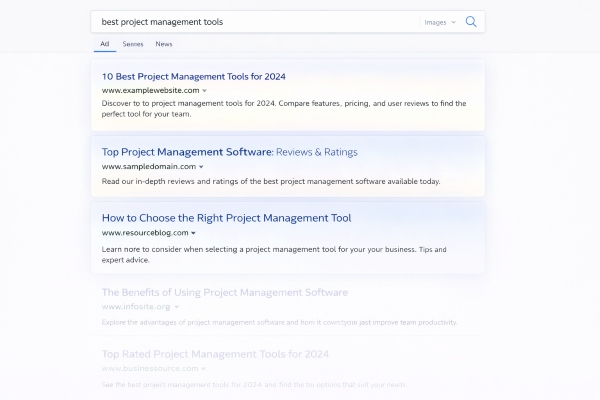
For example, if you run a local bakery and someone searches for “best bakery near me,” SEO helps your website appear in those search results instead of being buried on page ten. Search engines want to show users the most useful, relevant, and trustworthy pages. SEO is how you align your website with those goals.
It is not about forcing keywords into content or manipulating rankings. Instead, it focuses on clarity, quality, and relevance. A well-optimized website clearly explains what it offers, answers users’ questions, and provides a good experience for visitors.
How It Actually Works?
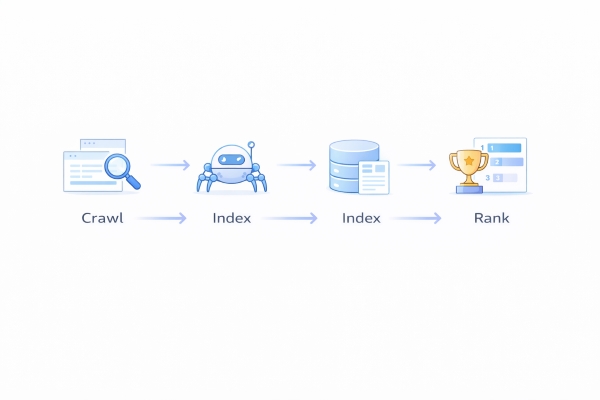
To understand Search Engine Optimization, it helps to know how search engines operate. Search engines work in three main stages:
First, search engines crawl the web. They use automated programs to discover new pages and updates. If your website is difficult to navigate or has technical issues, search engines may not find all your pages.
Second, search engines index the content they find. This means storing and organizing information so it can be retrieved later. If your content is unclear or poorly structured, it becomes harder for search engines to understand what your page is about.
Finally, when someone searches for something, search engines rank pages based on many factors such as relevance, quality, usability, and trustworthiness. Optimisation helps your website perform better in this ranking process by improving content, structure, and authority.
In simple terms, It makes your website easier to find, easier to understand, and more valuable to users.
Why Is SEO Important for Businesses?
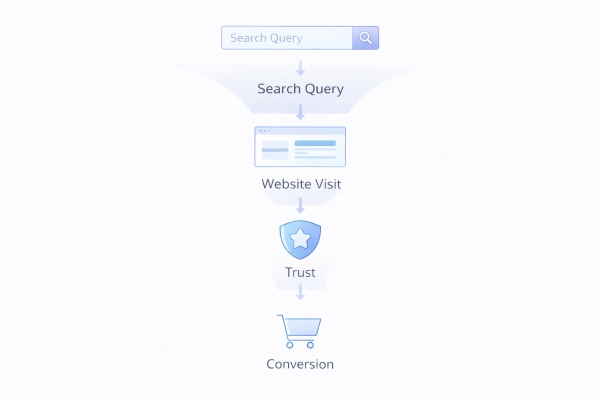
It is important because it connects your business with people who are actively searching for what you offer. Unlike traditional advertising, It targets users based on intent. This means visitors coming from search engines are often ready to learn, compare, or buy.
Another major benefit of Search engine optimisation is trust. Users tend to trust organic search results more than paid advertisements. When your website appears naturally at the top of search results, it signals credibility and authority.
It also provides long-term value. While paid ads stop working when the budget runs out, Organic channel continues to bring traffic over time. A well-optimized page can attract visitors for months or even years with consistent maintenance.
For businesses of any size, SEO is one of the most cost-effective marketing strategies available.
Types of SEO You Should Know
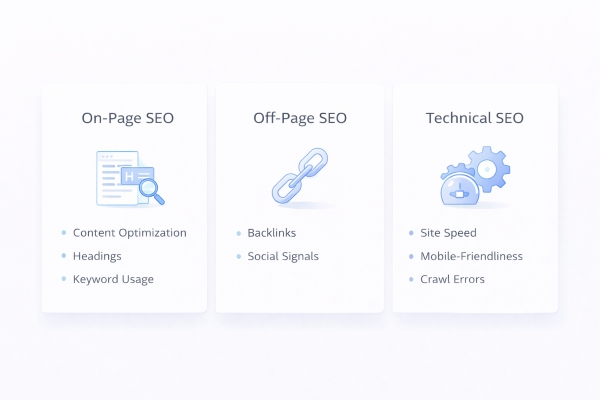
Remember how search engines work? They had three stages: crawling, indexing and ranking but how search engiens understand which page is better than the other? In order to answer this question we have to know about types of optimizations that we do:
On-Page SEO
On-page focuses on everything users see and read on your website. This includes your content, headings, page titles, internal links, and images. The goal of on-page optimization is to clearly communicate what each page is about.
For example, if a page is about “What is SEO,” it should explain the topic in depth, use relevant terms naturally, and answer common questions beginners might have. Well-structured content helps both users and search engines understand the value of the page.
Good on-page improves readability, engagement, and clarity, making visitors more likely to stay on your website and take action.
Off-Page SEO
Off-page focuses on how your website is perceived across the internet. The most important factor in off-page is backlinks, which are links from other websites to yours.
When reputable websites link to your content, it signals to search engines that your website is trustworthy and valuable. For example, if an industry blog links to your SEO guide as a reference, that link increases your authority.
Off-page takes time and effort, but it plays a major role in building long-term rankings and credibility.
Technical SEO
Technical SEO ensures that your website functions properly behind the scenes. This includes page speed, mobile optimization, site security, and clean code structure.
Imagine visiting a website that loads slowly or doesn’t work well on your phone. Users leave quickly, and search engines notice this behavior. Technical Optimisation helps prevent these issues by improving performance and usability.
Without strong technical , even the best content may struggle to rank.
Common Search Engine Optimisation Mistakes Beginners Make
Beginners often make mistakes because it seems simple on the surface but has many details. One common mistake is focusing only on keywords without considering user intent. Another is expecting immediate results and giving up too early.
Some beginners ignore technical issues, such as broken pages or slow loading speeds, which can hurt rankings. Others copy competitors without understanding what makes content truly valuable.
Avoiding these mistakes requires patience, learning, and consistent improvement.
How Long Does it Take to Work?
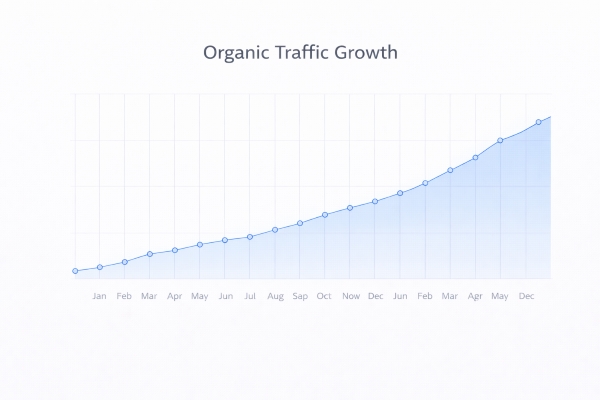
SEO is not instant. It is a long-term strategy that builds momentum over time. In most cases, small improvements can be seen within a few months, but meaningful results often take longer.
Search engines need time to crawl, index, and evaluate changes. Competition also plays a role. In competitive industries, results may take longer but are often more rewarding.
The key is consistency. Businesses that commit to optimisation and continue improving their website usually see steady growth.
Can You Do the optimisation Yourself?
Yes, beginners can learn and apply basic SEO principles. However, effective optimisation requires experience, tools, and continuous monitoring. Algorithms change, competitors evolve, and user behavior shifts.
Professional SEO services help businesses avoid costly mistakes, identify opportunities faster, and implement proven strategies. This allows business owners to focus on what they do best while experts handle optimization.
Final Thoughts: Why SEO Is Worth Investing In
Search engine optimisation is not just about rankings. It is about visibility, trust, and long-term growth. A strong SEO strategy helps businesses attract the right audience, provide value, and convert visitors into customers.
In a digital world where competition is increasing every day, search engine optimisation is one of the smartest investments a business can make. If you want your website to be found, trusted, and chosen, optimisation is not optional. It is essential.