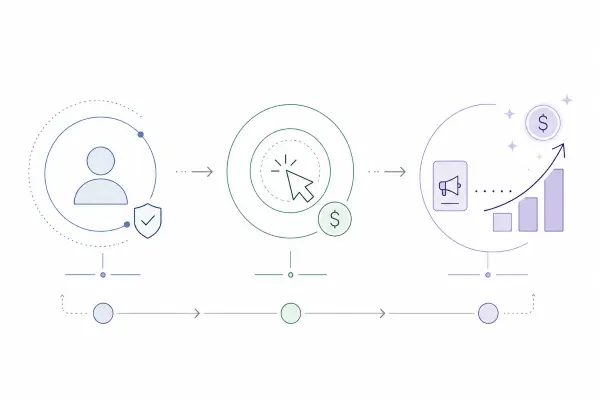
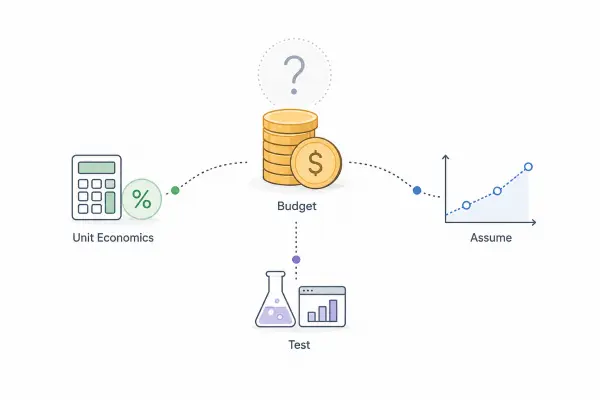
Digital marketing or Internet marketing, refers to all marketing activities that use digital channels, technologies, and platforms to promote products, services, or brands to consumers. These channels include websites, search engines, social media, email, mobile apps, and other digital media.
Unlike traditional marketing, digital marketing allows businesses to target specific audiences, measure performance in real time, and optimize campaigns continuously based on data. This makes it one of the most powerful tools for growth in the modern business landscape.
At its core, digital marketing focuses on reaching people where they already spend their time: online.
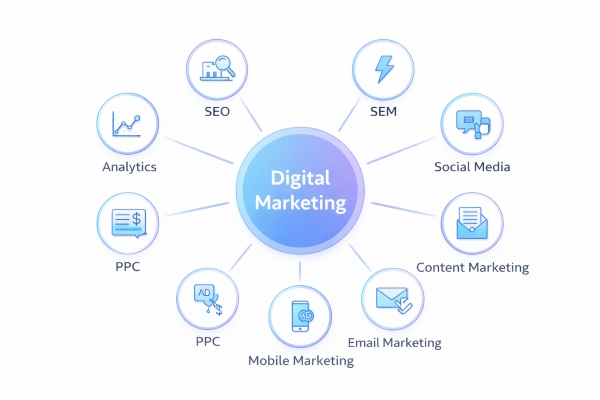
The Evolution of Internet Marketing
Digital marketing began in the early 1990s with the rise of the internet and the creation of the first search engines. As storage capacity increased and databases became more sophisticated, companies started shifting from traditional list brokers to data-driven approaches.
Key milestones in digital marketing history:
- The introduction of search engines and email marketing
- The growth of websites and online advertising
- The rise of social media platforms
- The dominance of mobile devices
- The integration of artificial intelligence and automation
Today, digital marketing is no longer optional—it is a fundamental part of nearly every successful business strategy.
As senior digital marketer who worked with a lot of brands, you can book a meeting for your digital marketing services.
Why Is Digital Marketing Important?
Digital marketing plays a critical role in helping businesses survive and grow in a competitive online environment.
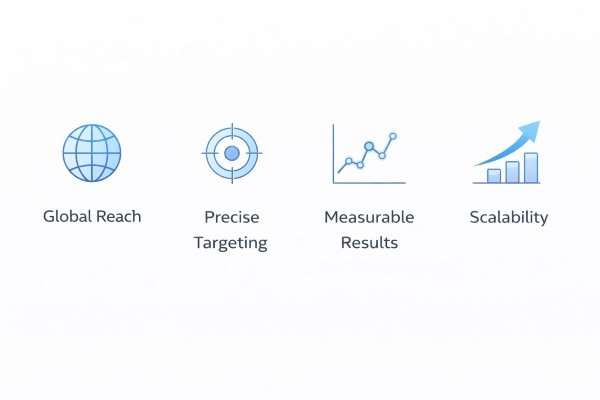
Core benefits of digital marketing:
- Global reach at a lower cost than traditional advertising
- Precise audience targeting based on behavior, interests, and intent
- Measurable results using analytics and performance tracking
- Higher engagement through interactive and personalized content
- Scalability for businesses of all sizes
Consumers now research products online before making purchasing decisions. Businesses that lack a strong digital presence risk losing visibility, trust, and revenue.
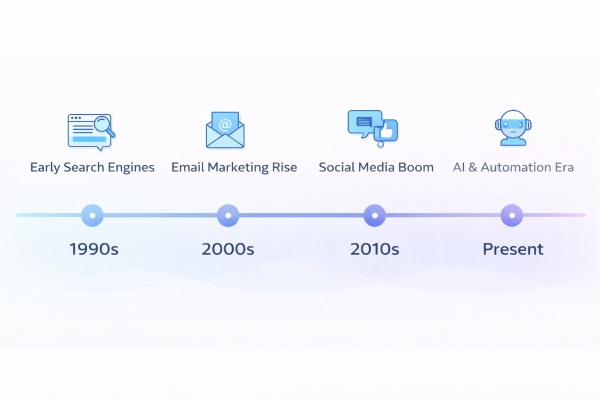
Major Types of Digital Marketing
Search Engine Optimization (SEO)
SEO is the process of optimizing websites and content to rank higher in organic search engine results. It focuses on improving visibility, relevance, and authority so search engines can better understand and rank content.
SEO is considered a long-term, sustainable digital strategy that drives consistent, high-quality traffic.
Search Engine Marketing (SEM)
SEM involves paid advertising on search engines, commonly through pay-per-click (PPC) campaigns. These ads appear at the top of search results and offer immediate visibility.
SEM is especially effective for:
- New websites
- Competitive keywords
- Time-sensitive promotions
Content Marketing
Content marketing focuses on creating and distributing valuable, informative, and engaging content to attract and retain a target audience.
Common content formats include:
- Blog articles
- Guides and whitepapers
- Videos
- Podcasts
- Infographics
High-quality content supports SEO, builds authority, and nurtures customer trust.
Social Media Marketing
Social media marketing uses platforms like Instagram, LinkedIn, Facebook, TikTok, and X to build brand awareness and engage directly with audiences.
Different platforms serve different purposes:
- LinkedIn for B2B marketing
- Instagram and TikTok for visual and lifestyle brands
- Facebook for communities and advertising
Pay-Per-Click Advertising (PPC)
PPC is a digital advertising model where advertisers pay only when users click on their ads. It allows businesses to control budgets, target specific keywords, and measure ROI accurately.
Digital Marketing Strategy Explained
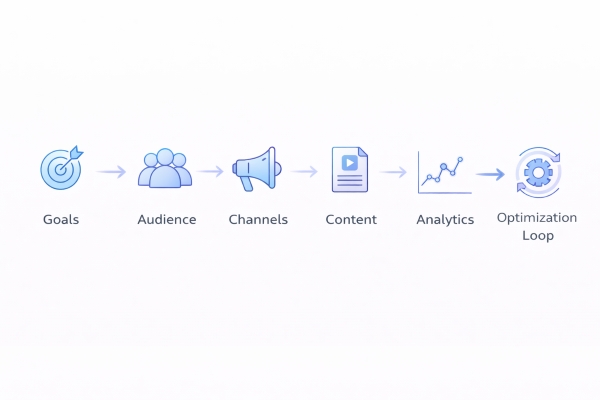
A digital marketing strategy is a structured plan that defines how a business will use digital channels to achieve its goals.
Key components of a successful strategy:
- Define clear objectives (traffic, leads, sales)
- Identify and understand the target audience
- Select the most effective digital channels
- Create relevant and engaging content
- Track performance and optimize continuously
A strong strategy ensures that all marketing efforts work together toward measurable outcomes.
Digital Marketing and Data-Driven Decision Making
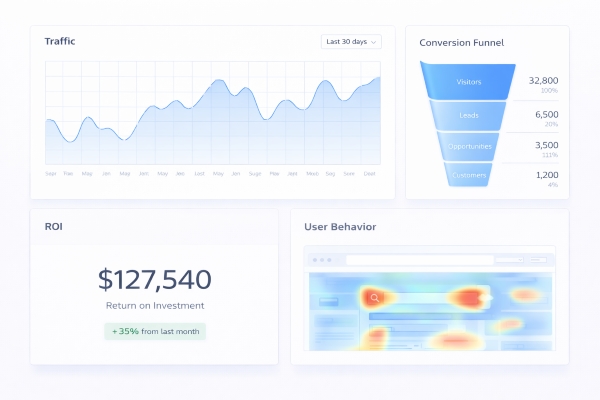
One of the biggest advantages of digital marketing is access to data. Marketers can track:
- User behavior
- Conversion paths
- Campaign performance
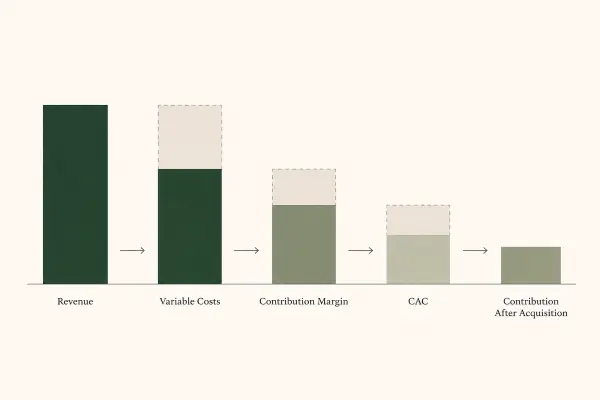
- Return on investment (ROI)
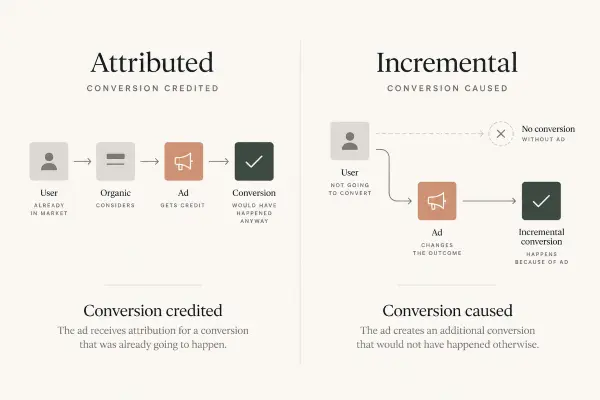
Tools such as analytics platforms, attribution models, and conversion tracking help businesses make informed decisions and continuously improve results.
Online Marketing for Different Business Types
Digital marketing is flexible and adaptable, making it suitable for:
- Small businesses and startups
- E-commerce brands
- B2B companies
- Service providers
- Personal brands
Even businesses with limited budgets can compete by leveraging organic channels like SEO and content marketing.
The Role of Mobile in Digital Marketing
Mobile devices now account for the majority of online activity. As a result, mobile optimization is essential.
Key mobile considerations include:
- Mobile-friendly website design
- Fast loading speeds
- Responsive layouts
- Optimized content for small screens
A poor mobile experience can significantly reduce engagement and conversions.
Future Trends in Internet Marketing
Digital marketing continues to evolve rapidly. Some of the most important trends shaping the future include:
Artificial Intelligence (AI)
AI is transforming digital marketing through automation, predictive analytics, and personalized experiences.
Voice Search Optimization
As voice assistants become more popular, optimizing content for conversational queries is increasingly important.
Personalization
Users expect tailored experiences based on their preferences, behavior, and intent.
Interactive and Influencer Marketing
Interactive content and influencer collaborations are driving higher engagement and trust.
Challenges in this Industry
Despite its advantages, digital marketing comes with challenges:
- Increased competition
- Algorithm changes
- Privacy regulations
- Content saturation
Successful marketers adapt by focusing on quality, authenticity, and user experience.
Final Thoughts: Why Digital Marketing Matters More Than Ever
Digital marketing is no longer just a marketing channel—it is the foundation of modern business growth.
Businesses that invest in:
- High-quality content
- Strong SEO foundations
- Data-driven strategies
- Continuous optimization
will be better positioned to compete, scale, and succeed in an increasingly digital world. If you want to know more about data-driven digital marketing you can contact me ‘amin farahani‘.